


Harmonizing People, Water and Earth
In the arid valleys and coastal corridors of the Pacific Northwest, water holds the memory of what a landscape once was and the intelligence to become that again. Water Weaver Earthworks partners with landowners, tribes, and communities to return water to her rightful place: slow, spread, and sinking into living ground.
"Water is a relative. The earth is alive and willing to heal. Restoration is not something we do to a landscape, but something we enter into with the land. She has been waiting. She knows exactly what to do when water returns."
Water Weaver Earthworks
About Water Weaver Earthworks
Restoration Begins
With Listening.
____________
Water Weaver Earthworks was founded by Wren Soperanes. A Ñuu Savi descendant and licensed water cycle restoration practitioner rooted in the Methow Valley. The practice grows from a foundational understanding held across Indigenous cultures and confirmed by modern hydrology: water is not a resource to be managed. She is a relative to be honored, and the earth responds with extraordinary generosity when that relationship is restored.
Wren braids together Indigenous ancestral hydrology, modern watershed science, and patient ecological observation. Building ponds, wetlands, springs, rain gardens and riparian corridors that allow water to do what she has always known how to do. Move slowly. Spread widely. Sink deeply. Feed the roots, recharge the aquifer, sustain the salmon, and return the landscape to their full biological potential.
Every project begins with observation, sometimes weeks of observation. Reading the land before touching the land. Tracing the memory of where water once moved, where she is trying to move again, and what she is asking for. What follows is patient, reciprocal work: skilled, licensed, scientifically rigorous, and grounded in a deep respect for the intelligence already present in the landscape.
The Methow Valley is home. Wren has built deep relationships here, with the land, the water, and the communities whose lives depend on both. He serves as a member of the Watershed Council and as a Washington Conservation Action Ambassador. Bringing the same commitment to policy and governance that he brings to every project in the field. Two young children are the reason this horizon is measured in centuries, not contracts.
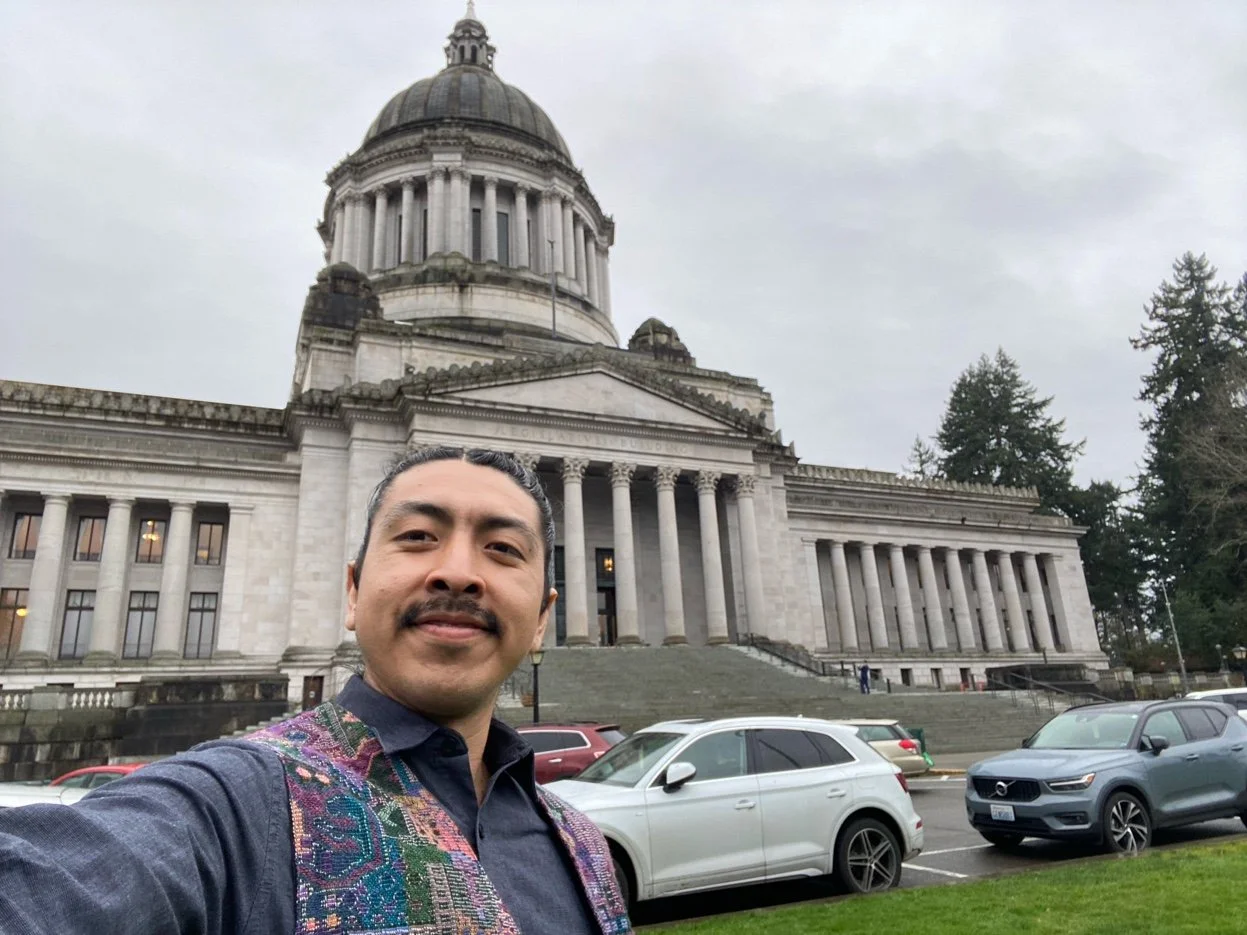
Wren Soperanes at the Washington State Capitol, Olympia. Speaking for water, for the land, and for the people of District 4. Advocating for wildfire resilience, water cycle restoration, and the protection of beavers as keystone species of fire-resilient habitat. Representing Water Weaver Earthworks and the communities whose water security depends on this work. Photo: Water Weaver Earthworks
Legislative Testimony
_____
Wren testified before the Washington State Legislature in support of wildfire resilience funding, water cycle restoration policy, and the protection of beavers as keystone architects of fire-resilient habitat. His testimony carried three arguments that belong in every policy conversation about fire and water in the West. First: our landscapes have been historically engineered to drain water, and that drainage is a root cause of the fire conditions we now face. Second: beaver ponds and wetland complexes have been documented stopping wildfires at their shorelines, making beaver protection not only an ecological commitment but a measurable fire suppression strategy. Third: in a moment of constrained public budgets, research consistently shows that process-based restoration costs less than mechanical thinning or prescribed burns, while delivering greater long-term resilience per dollar invested. The field and the legislature are part of the same work.
Affiliations & Credentials
_____
Water Stories Member
Water Cycle Restoration Practitioner
Methow Watershed Council Member
Washington Conservation Action Ambassador
WA General Contractor License #WATERWE740DF
Licensed · Bonded · Insured
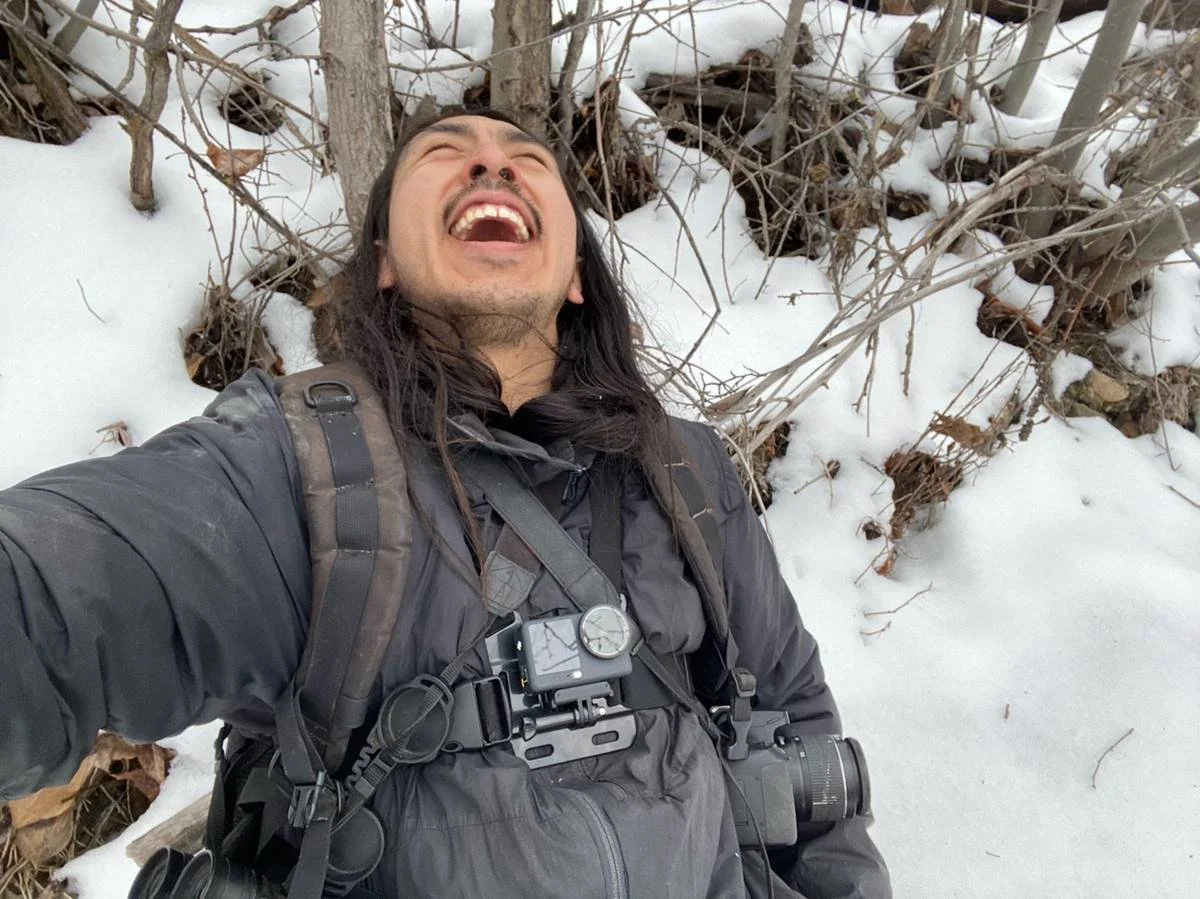
Wren Soperanes in the field — Upper Beaver Creek, Twisp WA. Camera, action cam, compass, binoculars. Full documentation kit. Photo: Water Weaver Earthworks
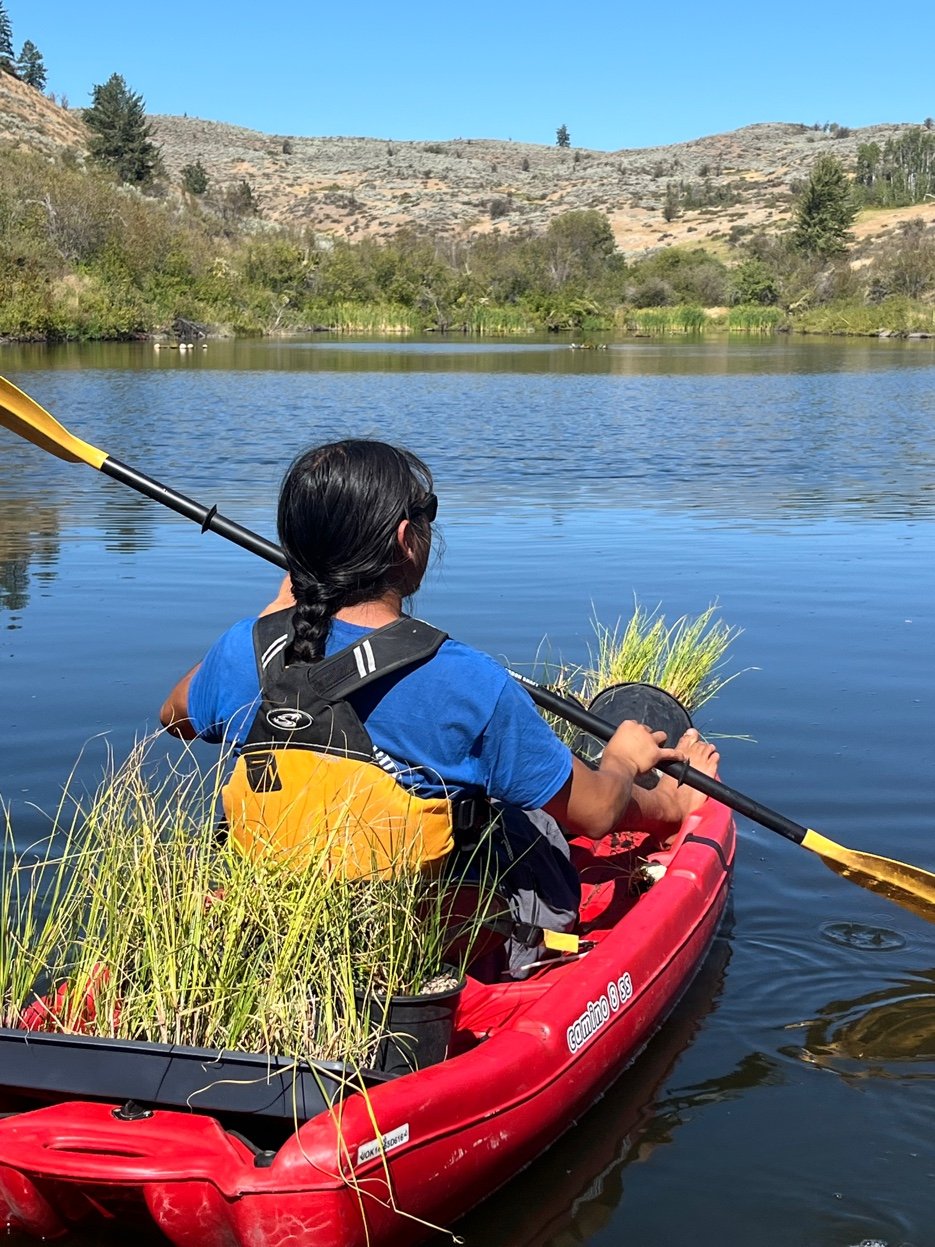
Paddling wetland emergent plants across the Doran Ranch pond. Volunteering with the Methow Okanogan Beaver Project at their invitation. The kayak bow is loaded with bulrush and sedge divisions destined for the pond margins. Wetland emergent plants are among the most effective natural water quality systems known: bulrush root zones have been documented removing up to 88 pounds of nitrogen per acre per year through biological uptake and denitrification, while sedge-dominated margins trap fine sediment that would otherwise increase turbidity and degrade aquatic habitat. Alongside the planting work, Wren contributed a water cycle restoration framework to the collaboration. Introducing floating wetland islands, whose suspended root systems provide water quality filtration, invertebrate habitat, nesting platforms, and refuge for frogs, turtles, and waterfowl in open-water environments. He also proposed Zeedyk structures for the ranch's stream corridors: hand-built rock features, one-rock dams, Zuni bowls, and Media Lunas. Developed by retired U.S. Forest Service biologist Bill Zeedyk that slow stream velocity, capture sediment, raise the local water table, and reconnect incised channels to their floodplains without heavy machinery or engineered infrastructure. In dryland systems, Zeedyk structures have been documented raising water tables measurably within one to two years of installation. Building the landscape-scale resilience against drought, flood, and fire that every Methow Valley watershed urgently needs. Methow Valley, WA. Photo: Water Weaver Earthworks
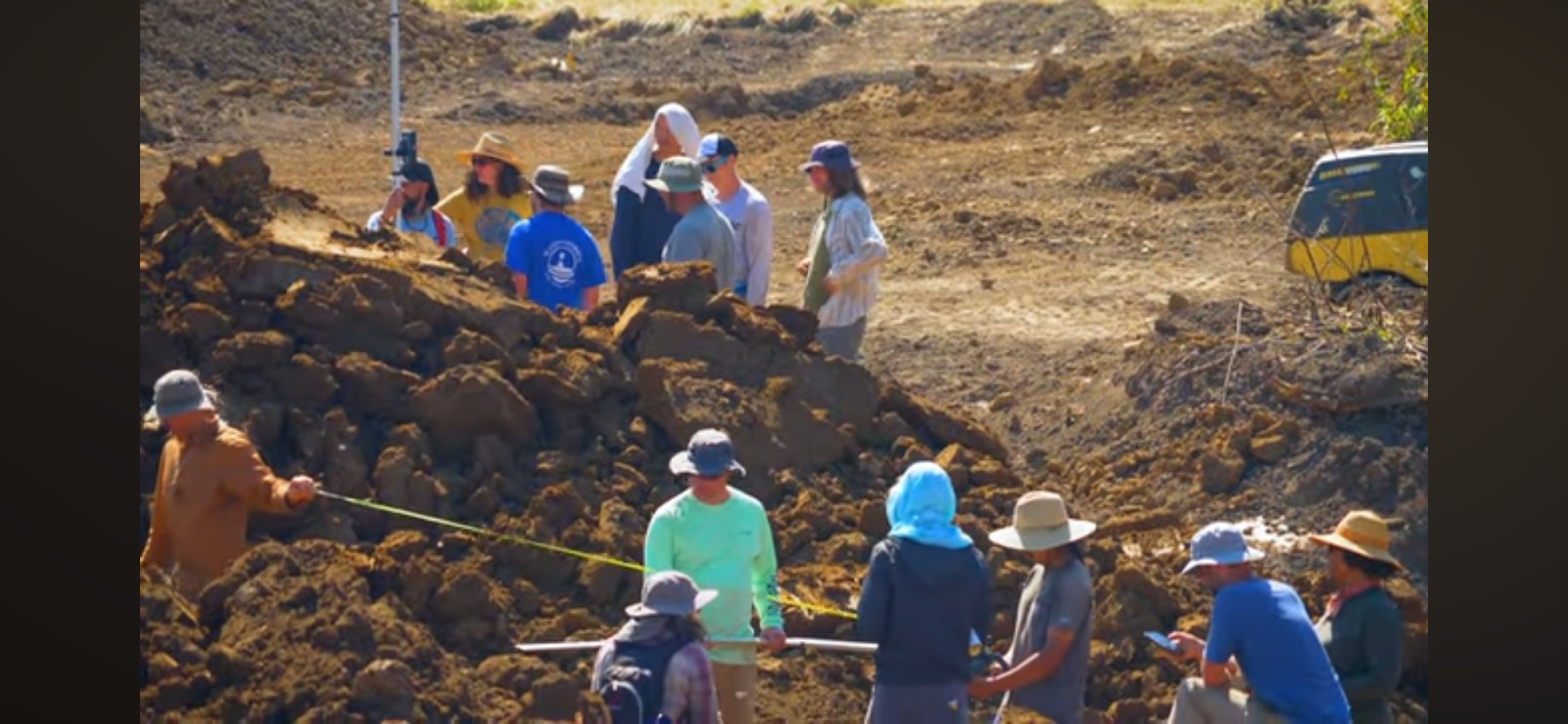
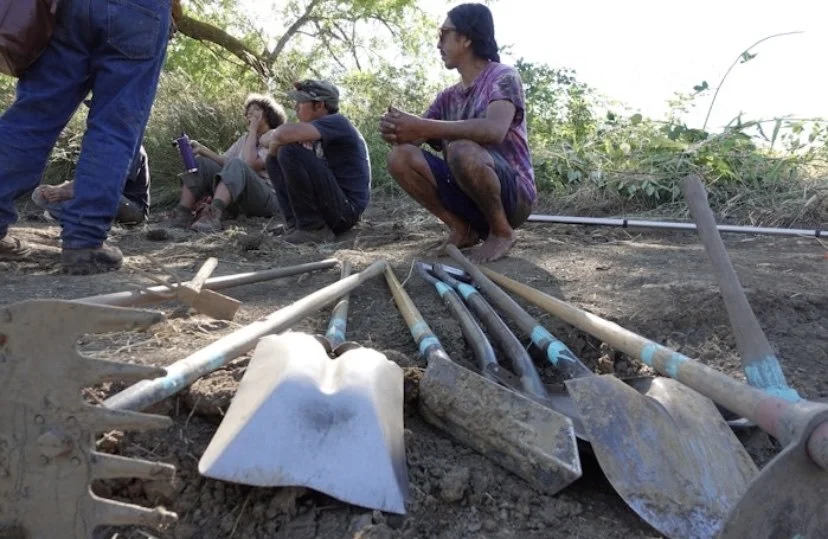
Water Stories Water Cycle Restoration Intensive — Willamina, Oregon, 2024. The Water Stories Team gathered around fresh earthworks, laser level on tripod, yellow tape measure extended across the excavation. Hands-on learning at scale. The Water Stories program brings together restoration practitioners, land stewards, farmers and Indigenous knowledge holders from across the Pacific Northwest for intensive, hands-on training in watershed-scale restoration design. Photo: Water Stories
Lineage & Learning
Where the Knowledge Comes From
_____
Good restoration practice does not emerge from a vacuum. It is learned from land, from communities, and from teachers who have spent decades in the field making mistakes and finding what works. It is refined through hands-on training alongside other practitioners. The science is clear on why this matters: a landmark 2014 meta-analysis of 70 wetland restoration projects published in PLOS ONE found that restored wetlands delivered 36% higher ecosystem services than degraded sites. The quality of design, the practitioner's depth of site knowledge, and the fidelity of implementation to ecological process, were the decisive variables separating success from stagnation. What follows is some of the lineage behind this practice. The people, places, and intellectual traditions that have shaped how Water Weaver Earthworks reads a landscape, designs a system, and understands what water is asking for.
Tucson, Arizona — Dunbar/Spring Neighborhood
Brad Lancaster & the Dunbar/Spring Neighborhood — Rainwater Harvesting as a Way of Life
Brad Lancaster is the author of the landmark Rainwater Harvesting for Drylands and Beyond series. The most comprehensive and practically grounded body of work on passive water harvesting in English and Spanish. His foundational argument is backed by hydrology: compacted, bare soil absorbs rainfall at a rate ten to twenty times slower than healthy, biologically active soil, which means that in most developed landscapes, the majority of rainfall is lost to runoff before it can contribute to groundwater recharge, plant growth, or streamflow. The solution is not engineering, the solution is design. Lancaster's approach intercepts water at the point of rainfall using earthworks, mulch, and vegetation that slow, spread, and sink precipitation into the soil where she falls. His home neighborhood in Tucson, the Dunbar/Spring district, is a living demonstration of what happens when an entire community commits to that principle at the scale of a city block: where there was once bare, compacted desert pavement, there are now mature Palo Verde canopies shading the road, stone-lined infiltration basins capturing street runoff, greywater systems routing laundry water to fruit trees labeled by name, and educational signage in English and Spanish teaching neighbors the principles behind every design choice.
Wren attended a community tour of Brad's property and neighborhood. Walking the streets, reading the signs, examining the greywater distribution system, studying the chicane and curb-cut infrastructure that has transformed a hardscape urban watershed into a productive biological sponge. Greywater reuse alone is significant: a typical household washing machine generates 15 to 40 gallons of reusable water per cycle. Water that in a conventional system flows to the sewer but in Brad's design is routed directly to the root zones of food-producing trees, completing a closed loop that reduces municipal water demand while building soil moisture and organic matter simultaneously. The encounter was both technical education and philosophical confirmation: that water harvesting at the neighborhood scale is not utopian, it is practical, replicable, and already happening. Brad's work and Bill Zeedyk's induced meandering methodology, which Brad has also documented extensively in the context of arroyo and dryland stream restoration across the American Southwest. Form two of the core technical pillars of the Water Weaver Earthworks approach.
The roadrunner says the rest. Spotted crossing the street in front of Brad's home, a bird Wren had not encountered in Saguaro National Forest. That bird arrived because the water arrived first. This is not coincidence. Research consistently documents that urban green infrastructure supporting water infiltration and native plant establishment increases wildlife species richness by measurable margins, particularly for insectivorous birds whose food base tracks invertebrate abundance, which in turn tracks soil moisture and plant diversity. A neighborhood that harvests rain becomes habitat. That is the argument, made in feathers, crossing a Tucson street at midday.
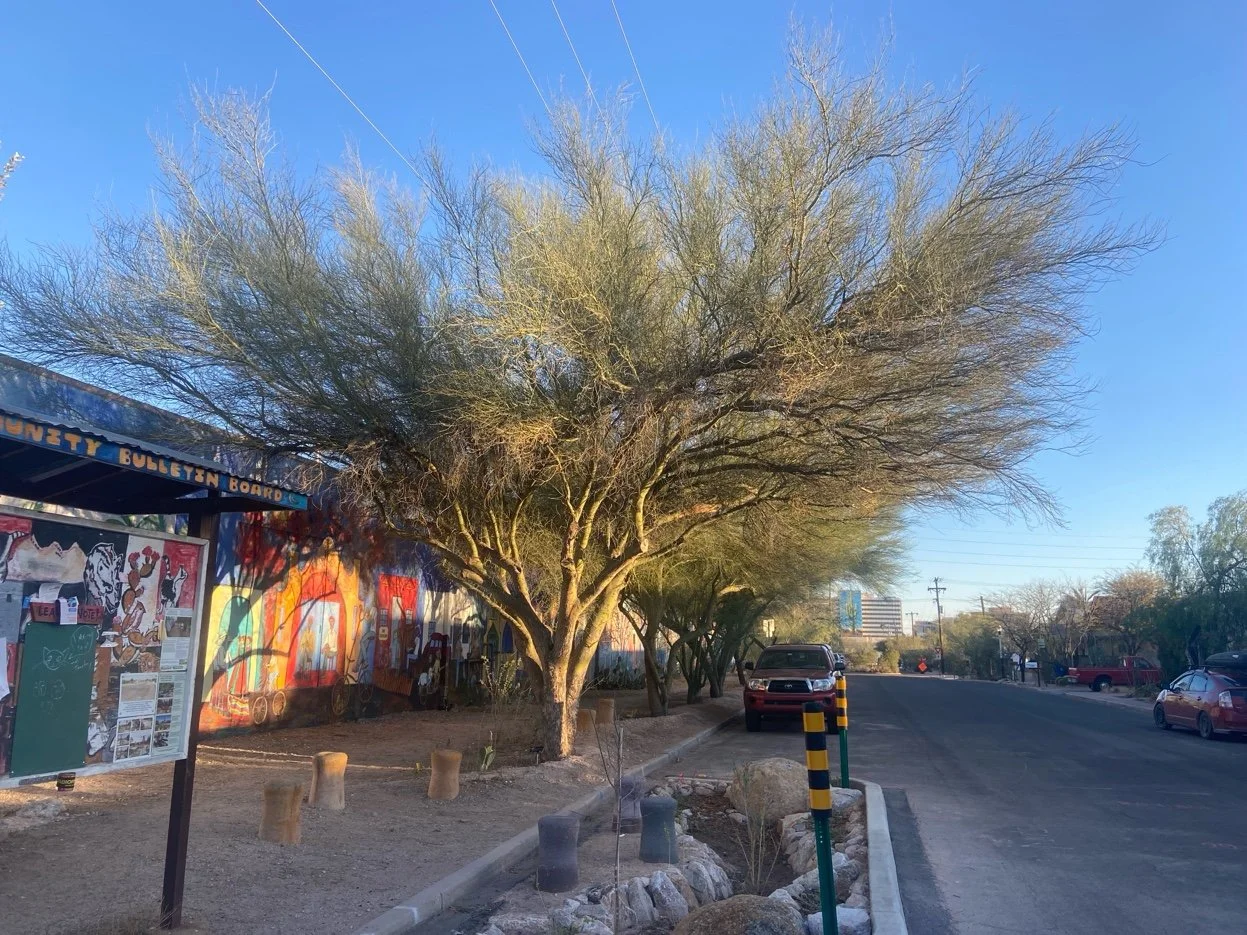
The Dunbar/Spring neighborhood street. Palo Verde canopy established over decades of rainwater harvesting, street tree planting, and community stewardship. Community bulletin board at left. Tucson, AZ.
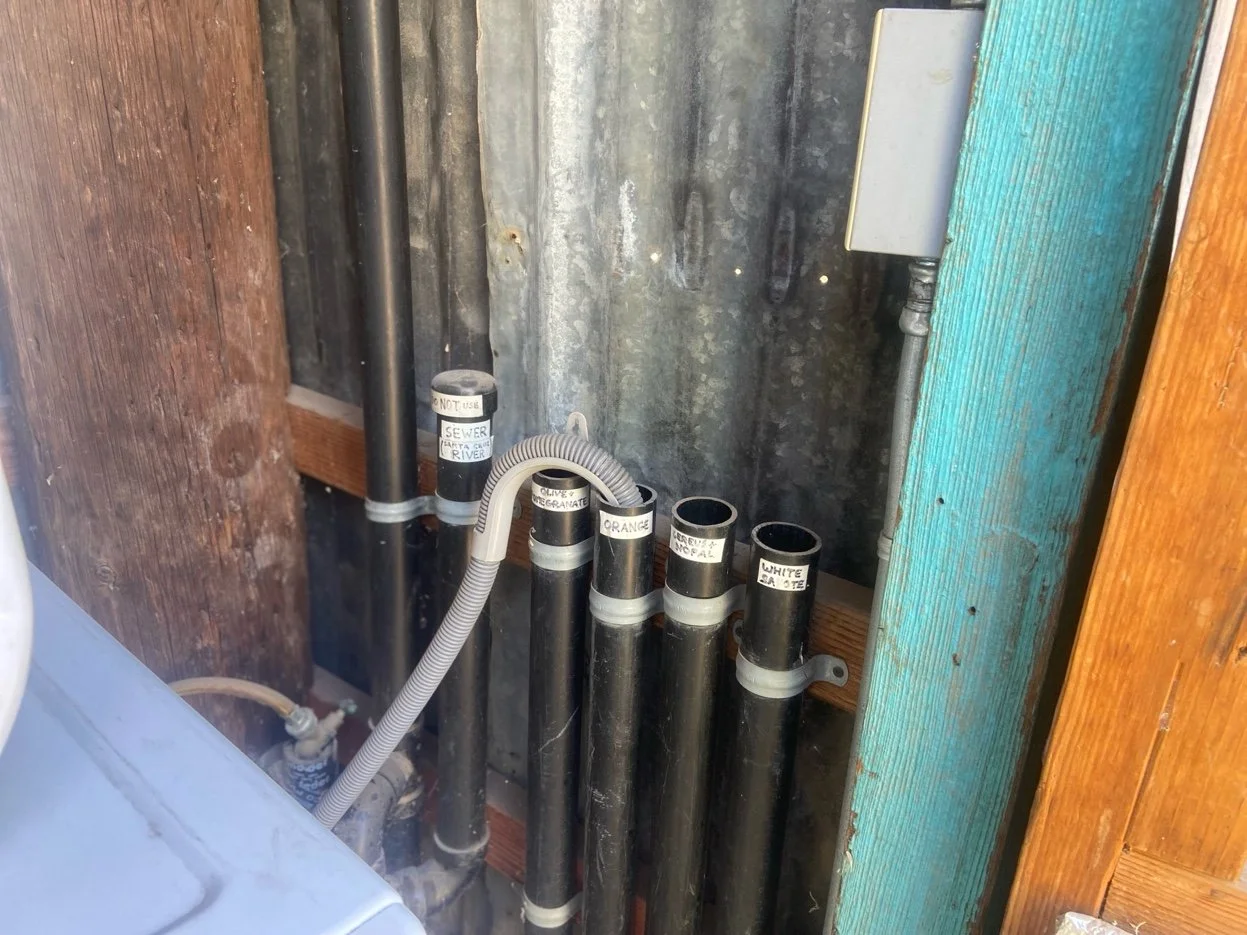
The greywater distribution manifold at Brad's property. Each pipe labeled with its destination plant: olive/pomegranate, orange, cereus/nopal, white sapote. The washing machine's outflow is redirected to feed a food forest rather than the sewer. One of the most elegant closed-loop systems in residential water design. Tucson, AZ.
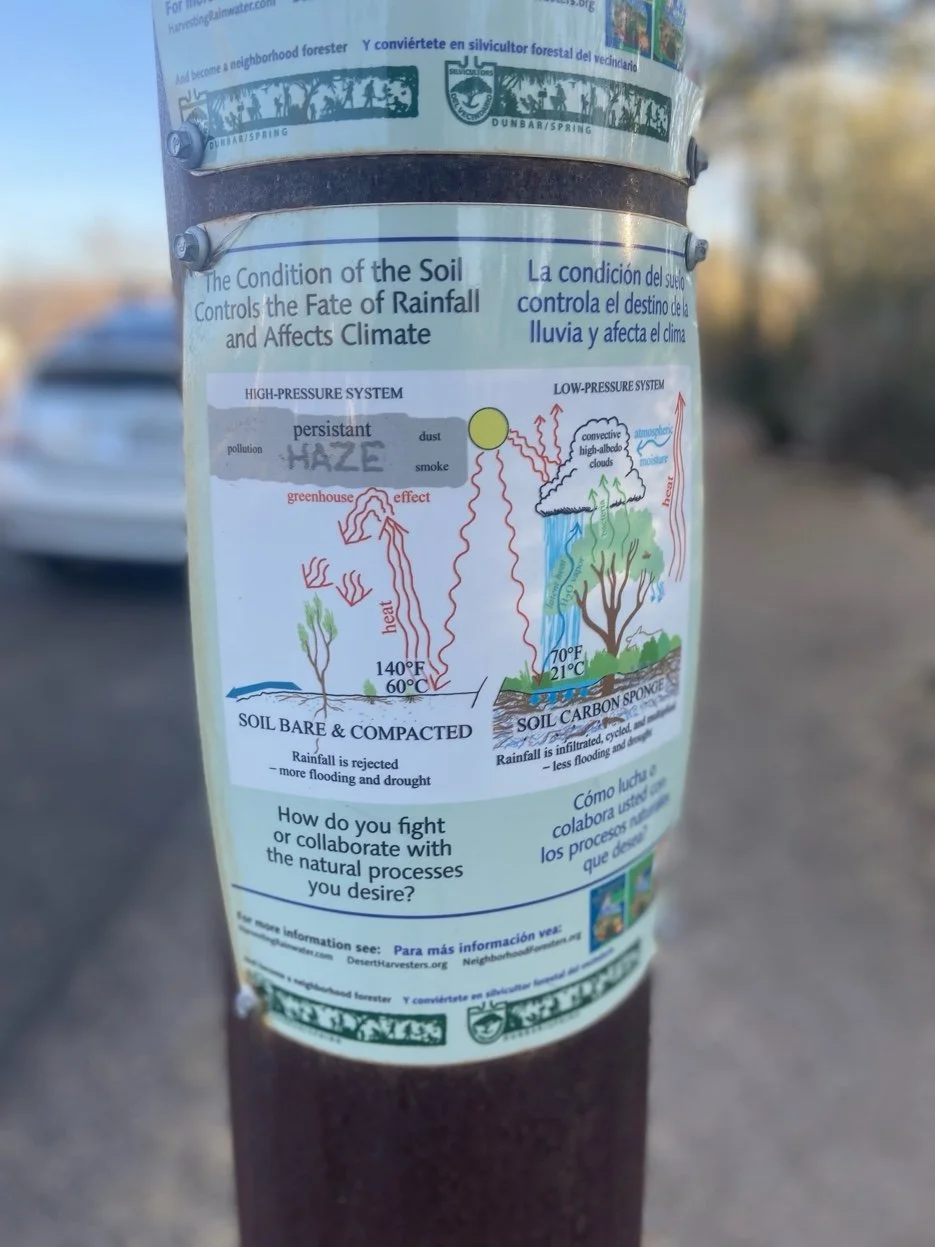
"The condition of the soil controls the fate of rainfall." A bilingual infographic on a utility pole in the Dunbar/Spring neighborhood. Public education woven into the streetscape itself. Tucson, AZ.
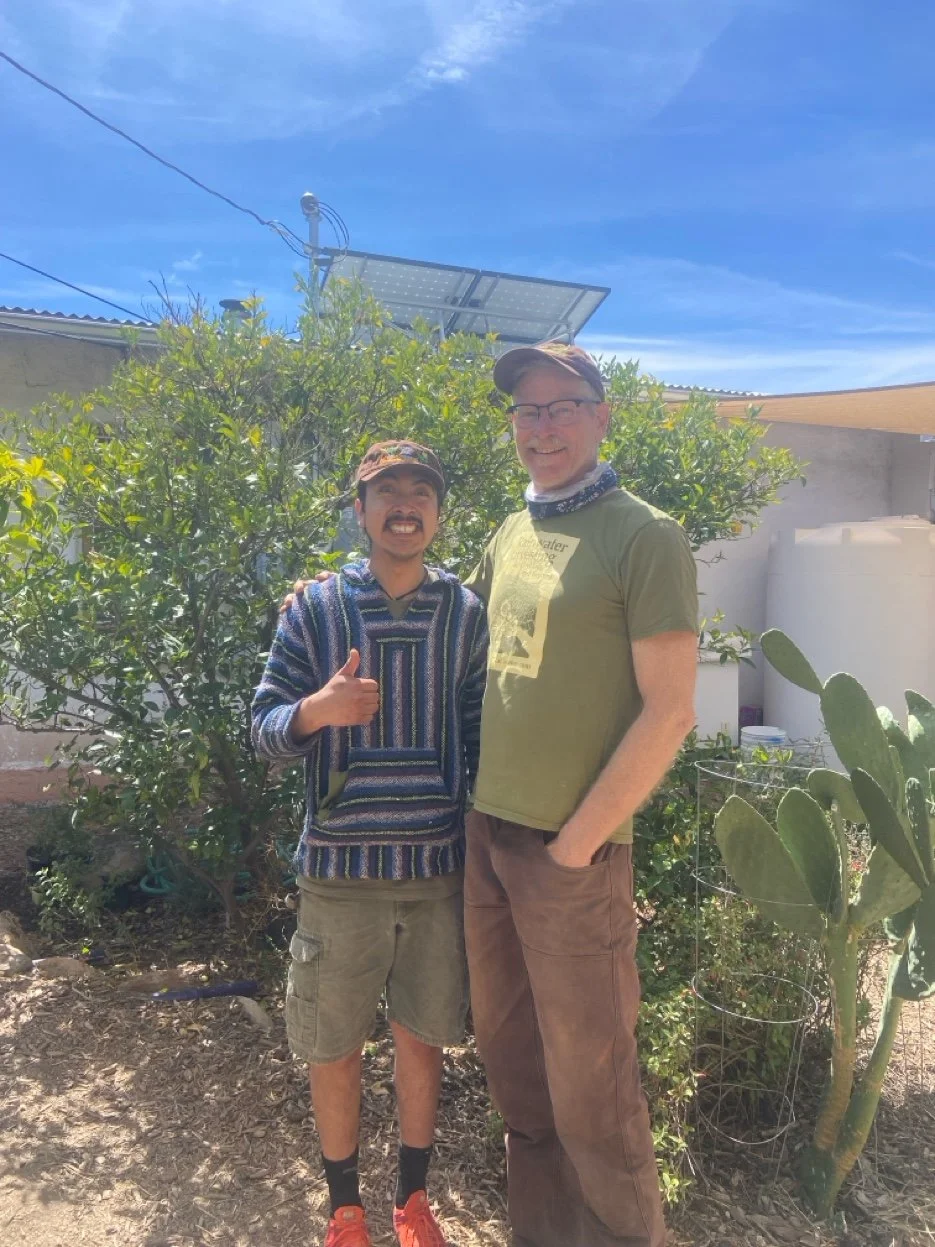
Wren with Brad Lancaster at his Tucson home. Behind them: a citrus tree fed by greywater, a solar panel, and a prickly pear that has never been irrigated. This is what a water-harvesting household looks like from the inside. Tucson, AZ. Photo: Water Weaver Earthworks
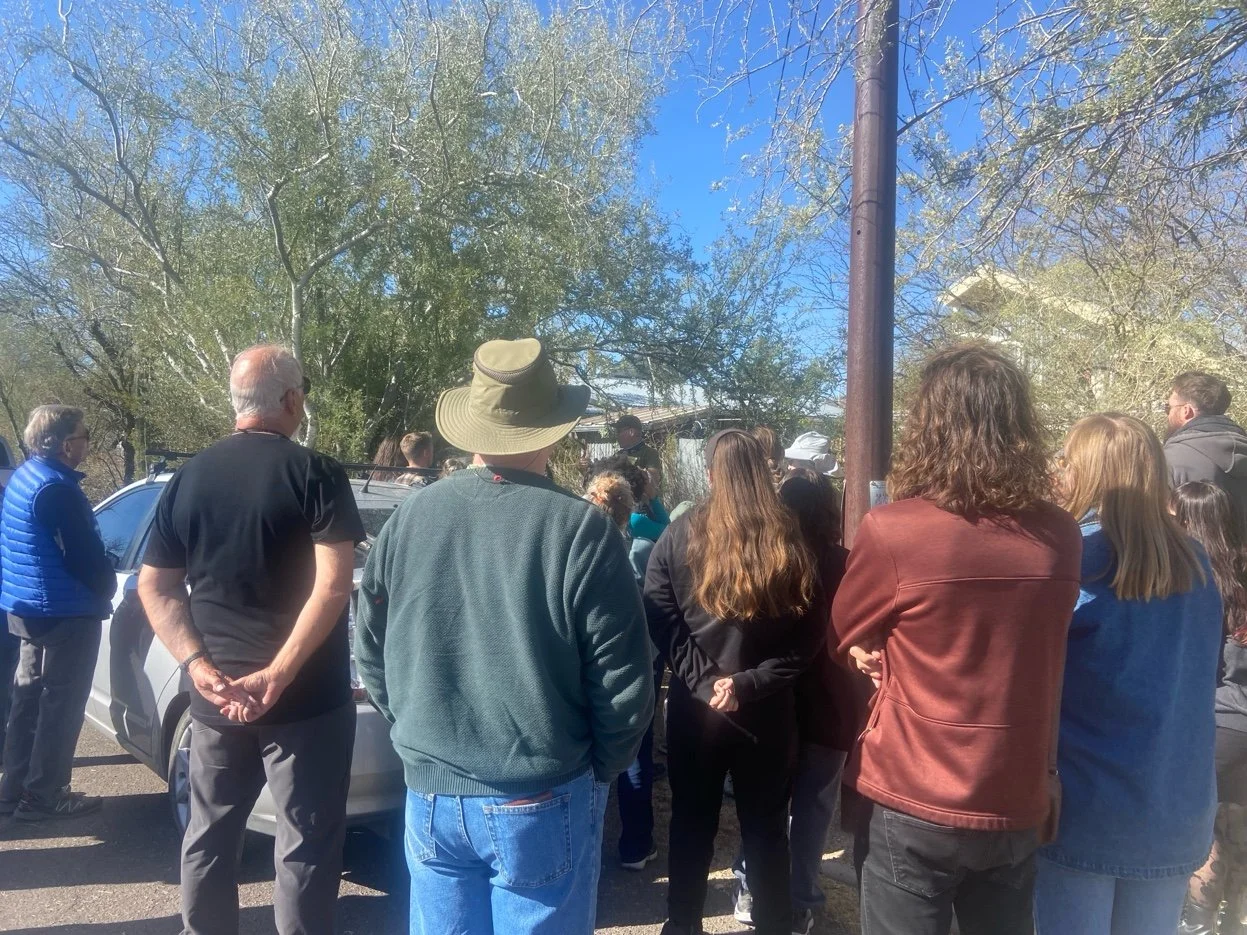
Community tour - People gathered in the street outside Brad's property, listening to a living demonstration of what decades of consistent water harvesting produces. The trees overhead were planted in basins that capture street runoff. Tucson, AZ.
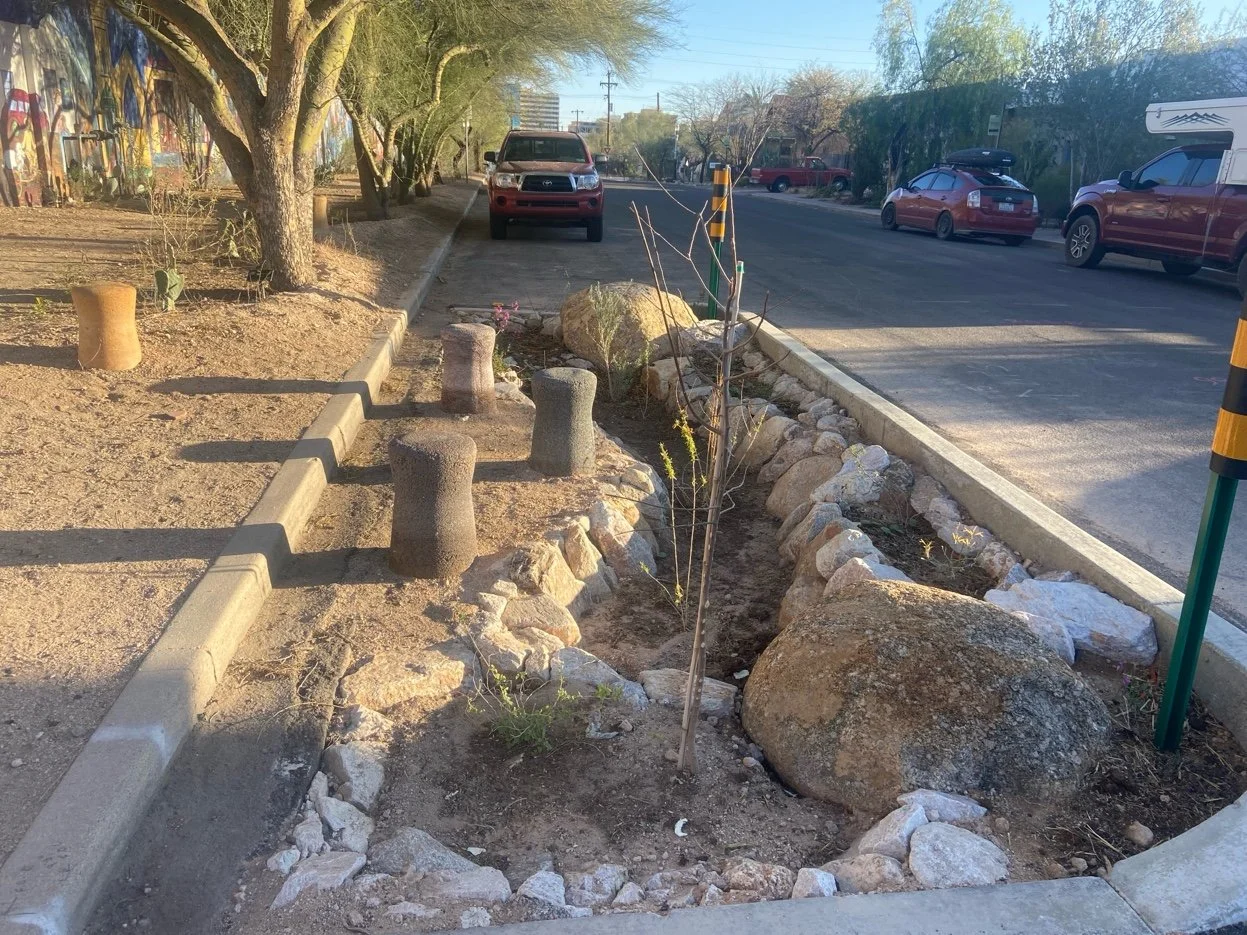
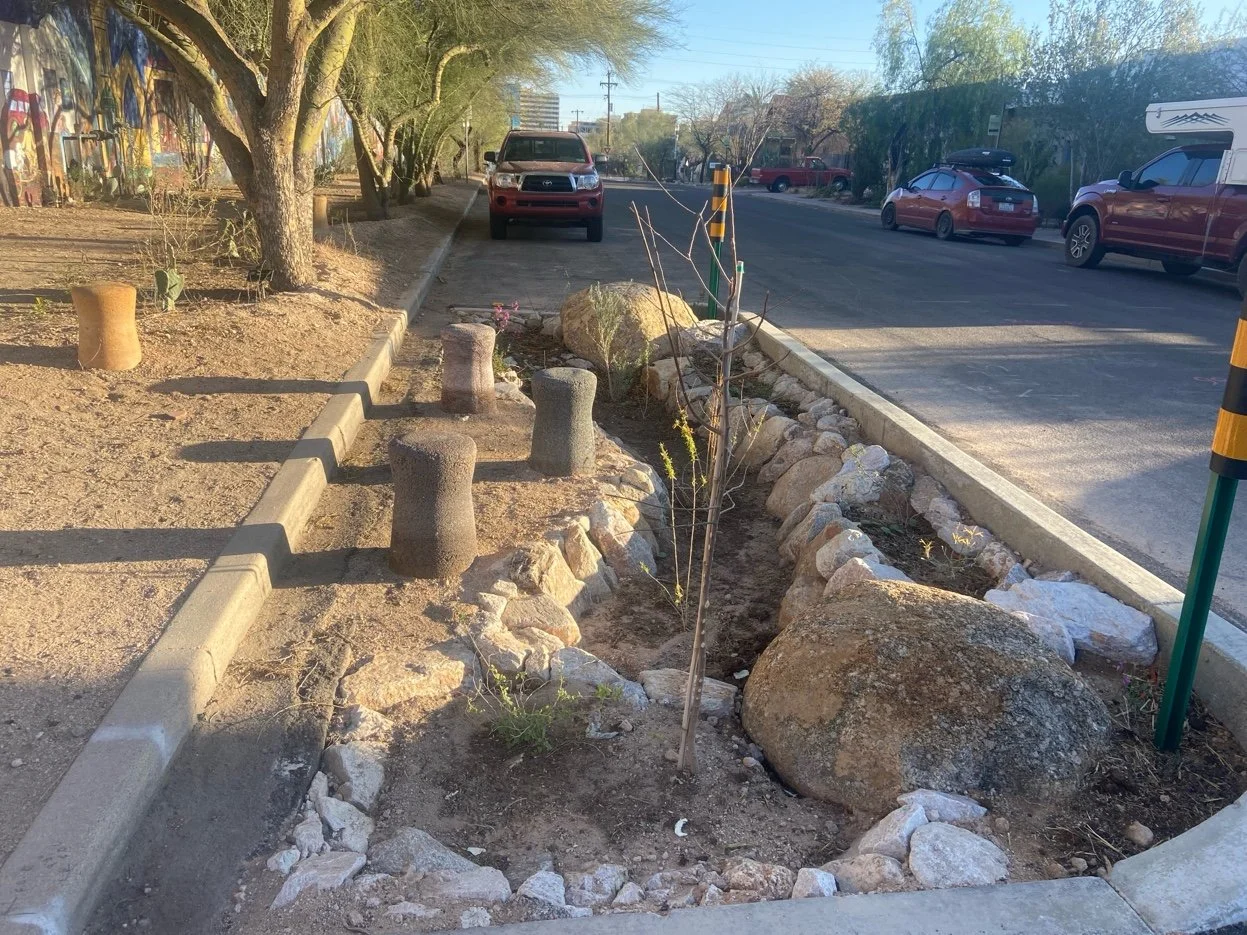
Stone-lined roadside infiltration basin capturing street runoff. Young trees planted in the water zone, mural wall behind. Each basin intercepts thousands of gallons annually that would otherwise flow to the storm drain. Tucson, AZ.
Chicane infrastructure slowing street runoff and directing it into planted basins. The engineering is simple, the impact cumulative and profound. Tucson, AZ.
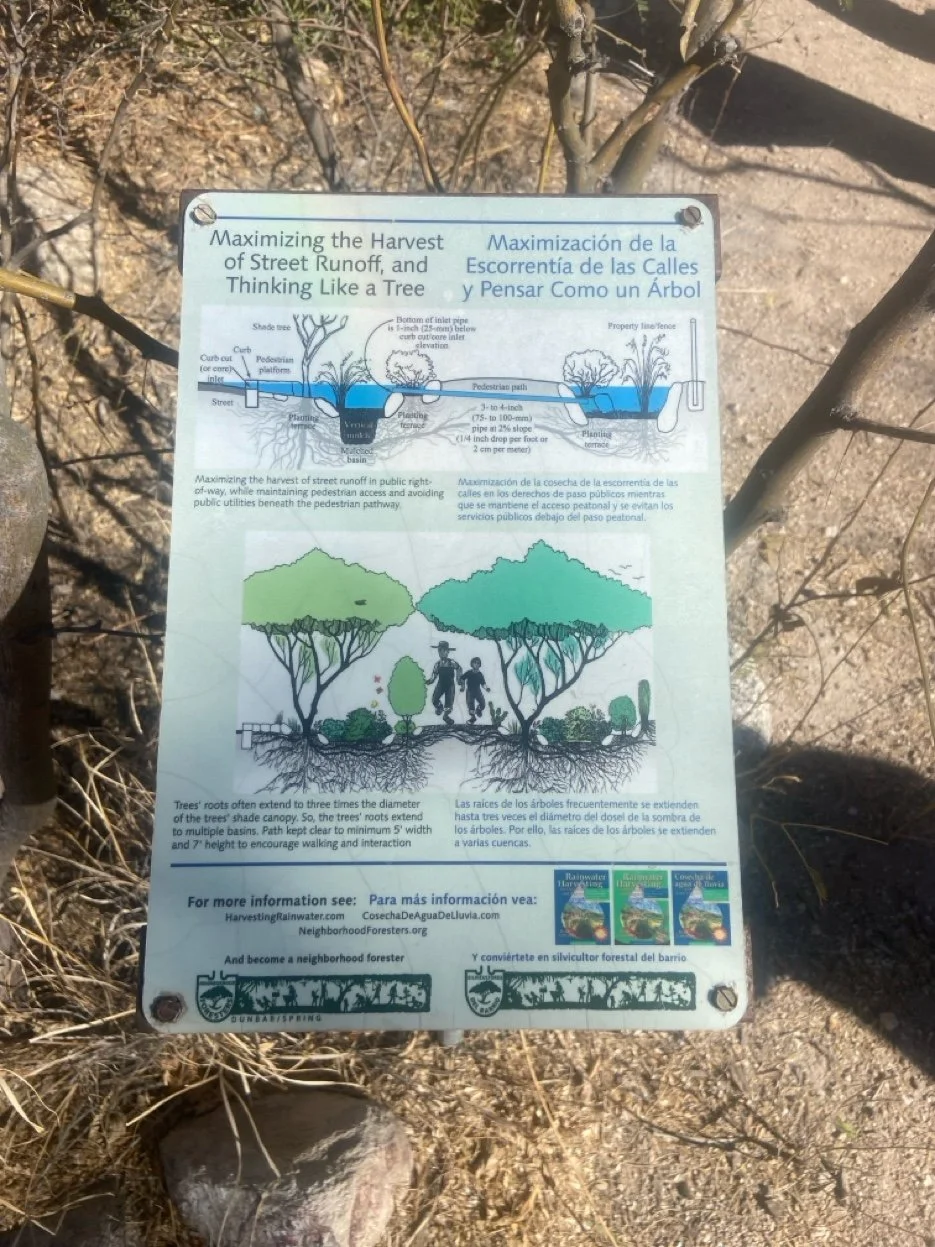
"Maximizing the harvest of street runoff and thinking like a tree." Bilingual educational signage with curb cut diagrams and root zone illustrations. The neighborhood as outdoor classroom. Tucson, AZ.
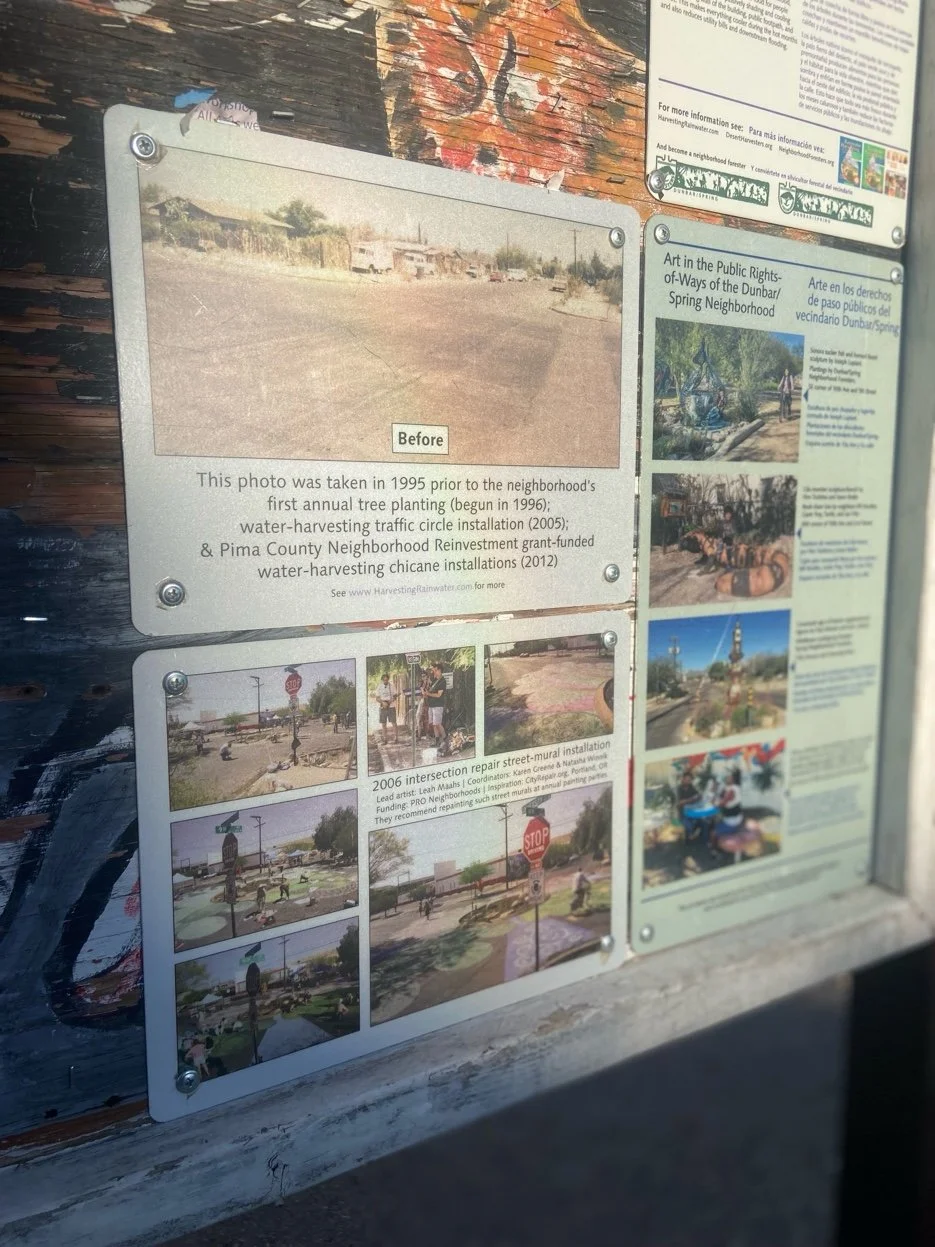
The neighborhood's own documentation: a 1995 before photo against what stands today. Tree canopy, traffic circle plantings, chicane installations, water-harvesting basins. All built incrementally by community members over three decades. Tucson, AZ.
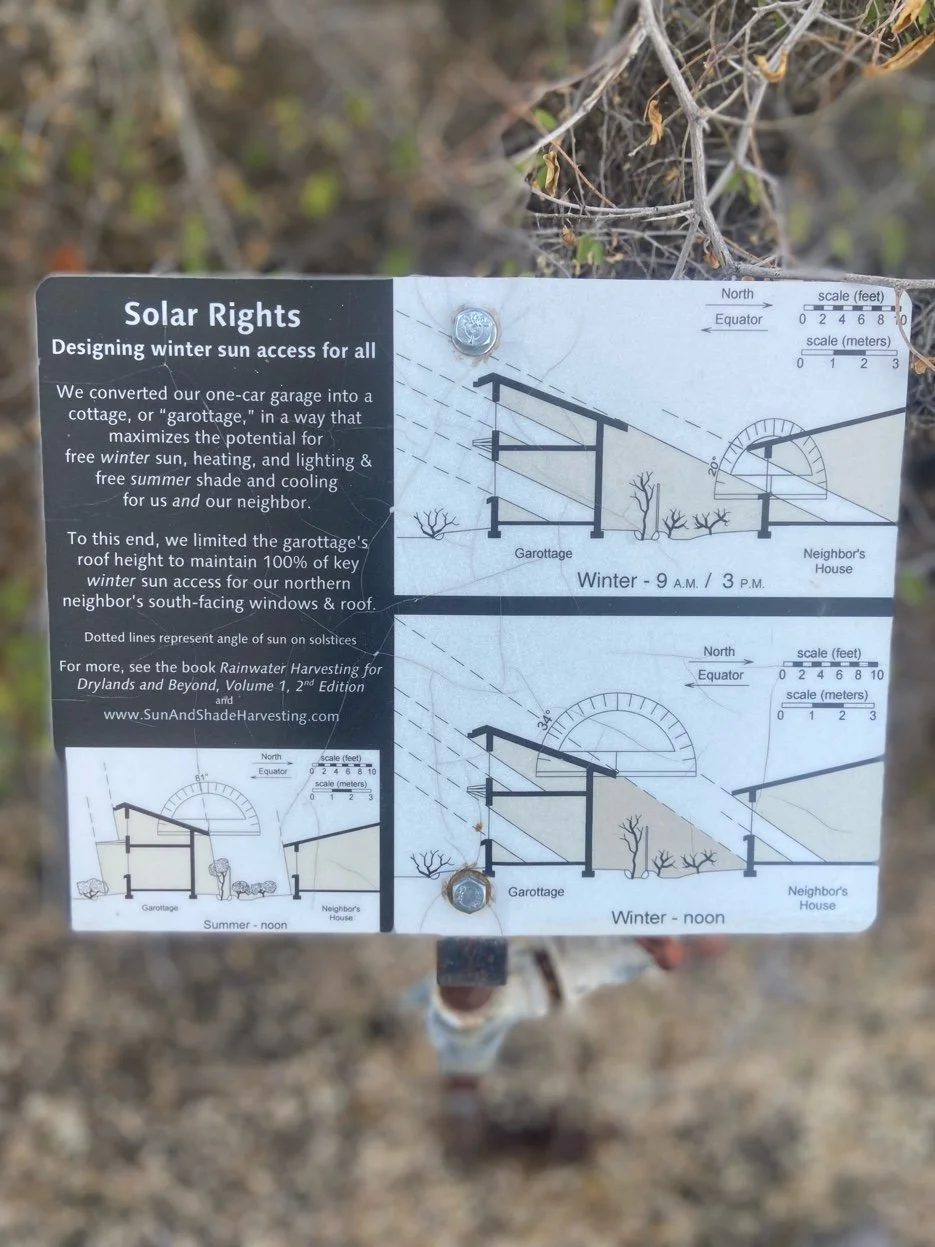
"Solar Rights: designing winter sun access for all." Brad's property demonstrates solar design alongside water design. The garottage roof height limited to preserve full winter sun access for the neighboring house. Tucson, AZ.
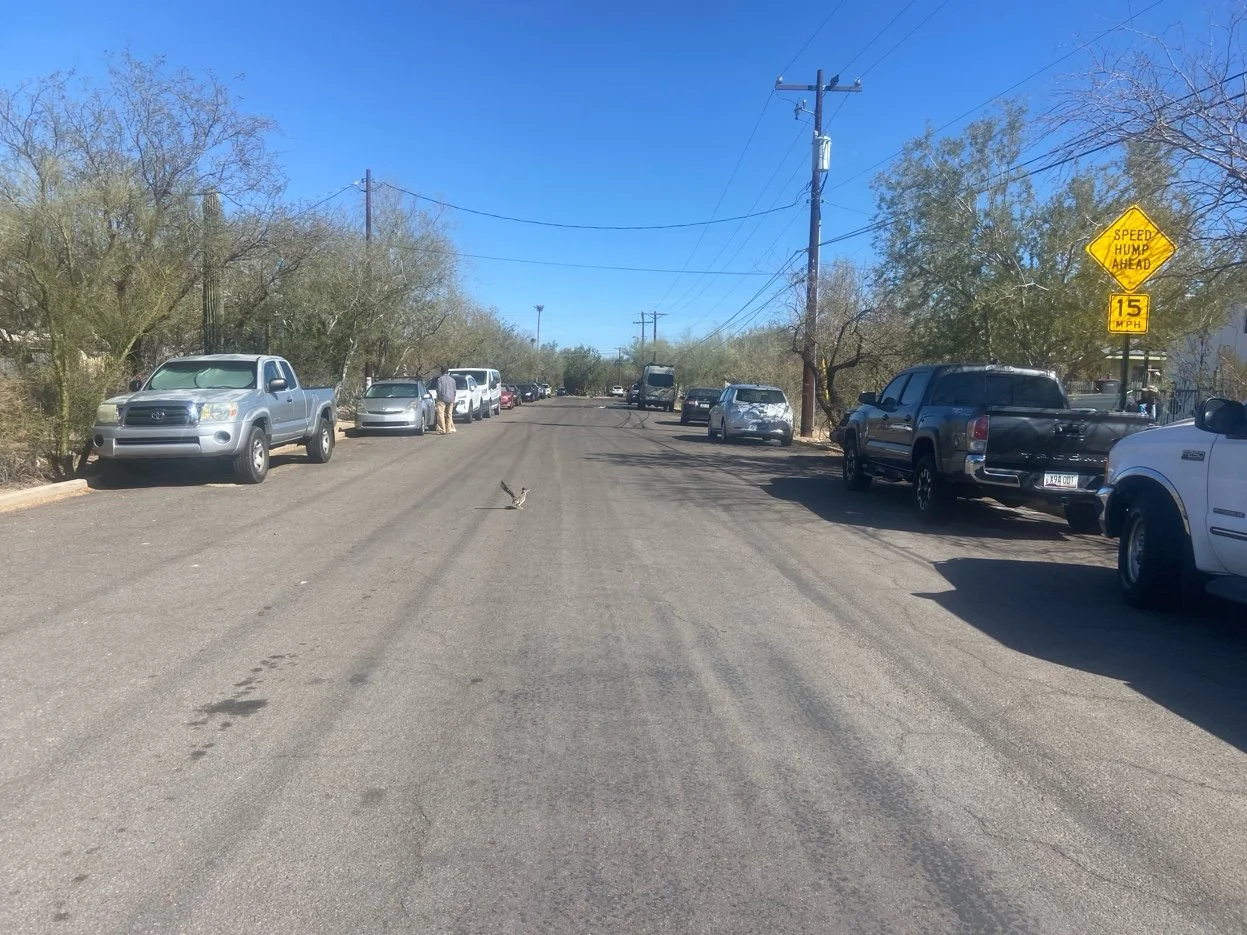
A roadrunner crossing the street in Brad Lancaster's neighborhood — A bird Wren had not encountered in Saguaro National Forest, but found here, in the middle of an urban block, because the water came first and the habitat followed. This is the argument for rainwater harvesting, made in a single frame. Dunbar/Spring neighborhood, Tucson, AZ. Photo: Water Weaver Earthworks

Pacific Northwest & Appalachia — Land Reading & Restoration Design
Water Stories Restoration Intensives — Reading the Land Before Touching them
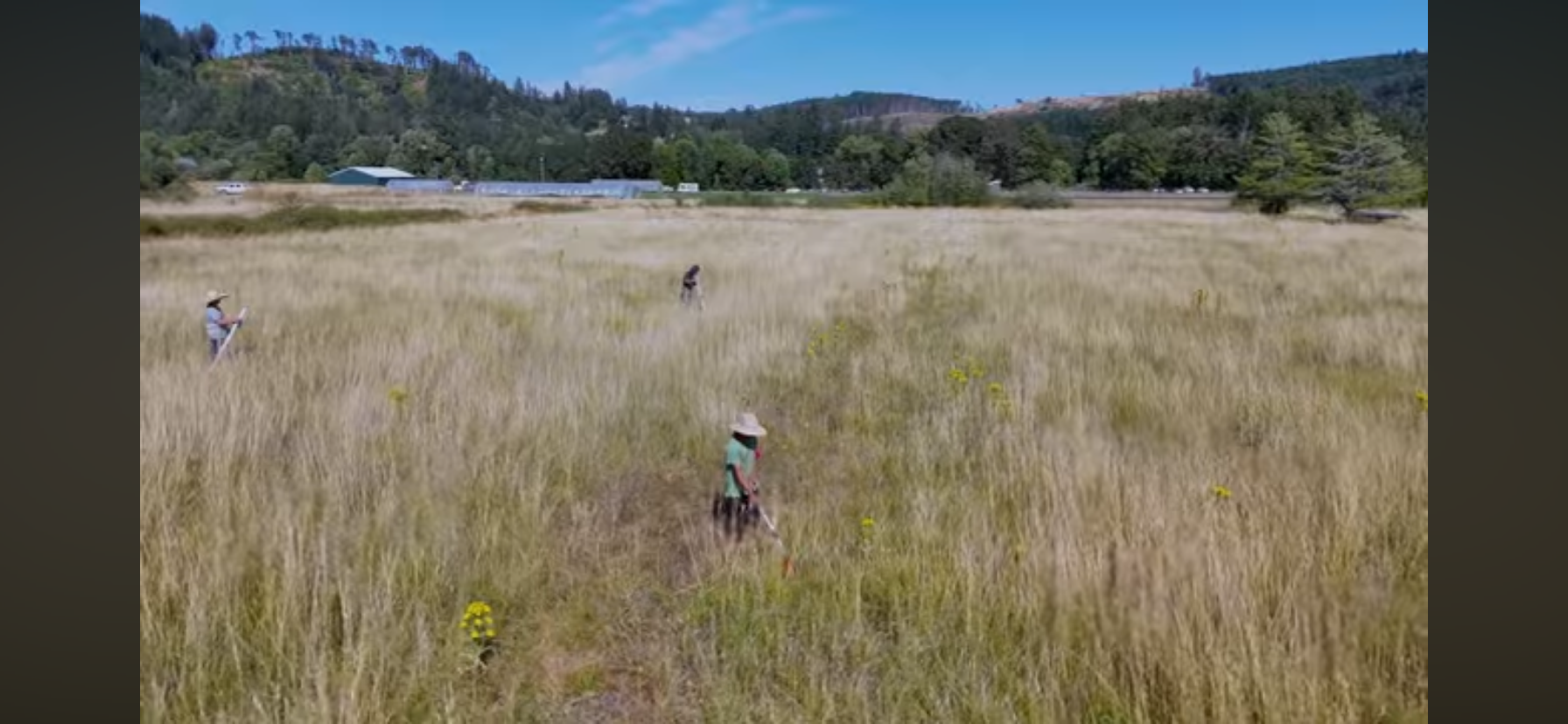
The Water Stories program brings together restoration practitioners, land stewards, and Indigenous knowledge holders from across the Pacific Northwest for intensive, hands-on training in watershed-scale restoration design. The curriculum centers on a practice that is deceptively simple and profoundly difficult: reading the land. Learning to see what a landscape is asking for, where water wants to move, where she is being blocked, what the vegetation communities are telling you about soil moisture and hydrology. Before any design begins and certainly before any ground is disturbed.
Wren attended the 2024 Water Stories intensive in Willamina, Oregon, working alongside a cohort of practitioners in the field — reading grade lines, running laser levels across fresh earthworks, and developing the site assessment framework that now informs every Water Weaver Earthworks project. He also attended a land reading workshop in Louisville under Zach Weiss directly — Water Stories founder, Elemental Ecosystems practitioner, and Wren's primary mentor in water cycle restoration methodology. In that workshop, Zach walked the cohort through his complete land reading consultation procedure: the tools he uses in the field, how he reads topography and vegetation for hydrological signals, what he looks for when assessing a degraded landscape, and how careful observation translates into restoration design. That transmission of method from a practitioner who has worked in 25 countries across 6 continents to a cohort of emerging practitioners in a garden in Water Stories — is exactly how this knowledge travels and deepens.
The science supports what these programs teach: research in restoration ecology consistently finds that practitioner investment in pre-design site observation — reading existing hydrological processes and energy patterns before proposing any intervention — is among the strongest predictors of long-term project success. The land already knows what she needs. The practitioner's job is to become fluent enough in her language to hear her. That fluency is built in the field, in the dirt, under mentors like Zach Weiss who have spent decades learning what water asks for and have committed their careers to transmitting that knowledge as widely as possible. Sepp Holzer once told Zach that the world needs not one practitioner but millions. Water Stories is Zach's answer to that challenge. Water Weaver Earthworks is one expression of what that transmission produces when that transmission takes root in a specific place — the Methow Valley, the Okanogan watershed, the living landscapes of the inland Pacific Northwest.
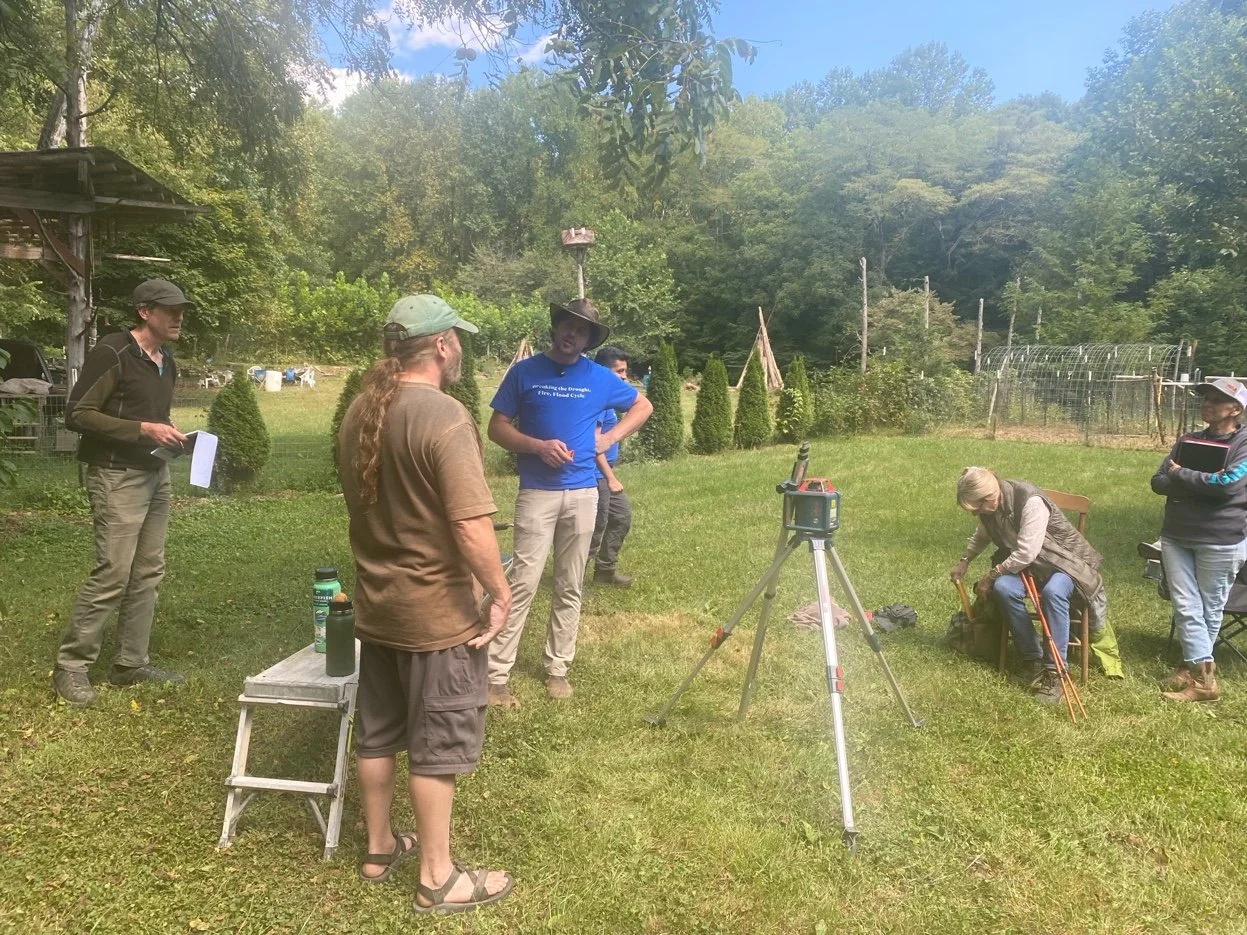
Land reading workshop — Zach Weiss (blue shirt, center), founder of Water Stories and Elemental Ecosystems, walking the cohort through his complete procedure for a water cycle restoration land reading consultation: the tools he uses, how he reads the landscape, what he looks for, and how that observation translates into design. Wren attended this workshop to train directly under his mentor, the practitioner whose work has shaped the foundational methodology of Water Weaver Earthworks. Photo: Water Weaver Earthworks
Our Three-Step Approach
A simple 3-step pathway that delivers results.
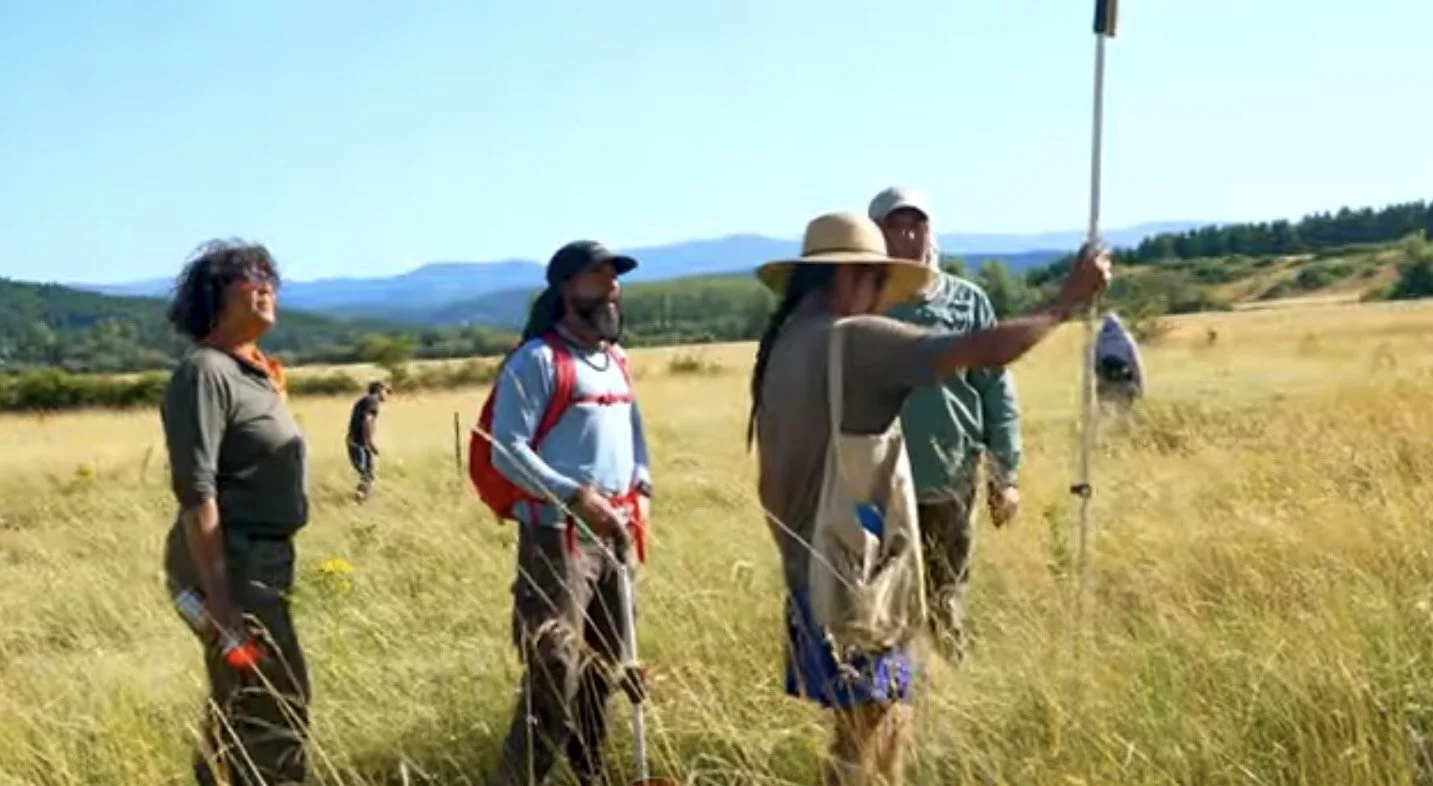
A thoughtful look at your goals and the landscape reveals the opportunities available.
Landscape Analysis
Goals Articulation
Concept Plan Creation
1. Consultation & Concept Plan

2. Project Implementation
Building a landscape that embodies your vision, aligns with your project goals, and your desired quality of life
Project Guidance
Contracting
Skilled Developers
3. Ecosystem Establishment
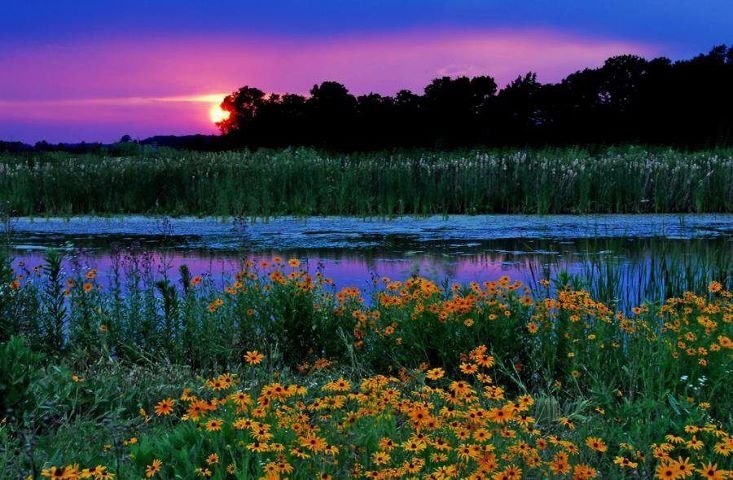
The greatest return on investment comes from aligning with the processes of nature, allowing us to harvest the gifts of time through thoughtful foresight.
Ecosystem Development
Stewardship Management
Project Phasing
Services
When it comes to working with the Earth, we have you covered; transforming every vison into earth-shaped art that endures.
-
From ponds and earthen dams to paddies and chinampa-inspired forms. Productive water holding features designed in harmony with place.
-
Naturally emerging drinking water of exceptional quality. Filtered through earth, mineralized by stone, and renewed by sun and seasonal cycles.
-
Restoring hydrological balance across earth systems through careful observation, respect, and responsible stewardship of water’s movement.
-
Creating renewed vigor within the landscape. Restoring hydrological vitality while blending time, honored knowledge with thoughtful , present-day practice’s.
-
Providing food, medicine, materials, and fuel. Forest’s offer living systems that sustain communities while strengthening ecological resilience.
-
Holding water and soil with intention. Terracing is a time-tested practice that works with gravity to support long-term abundance.
Water Stewardship
Water Weaver Earthworks is not just a business. it is care, rooted in the belief that when we restore water, we restore life.
We exist to support the natural intelligence of water, the quiet resilience of wildlife, and the wellbeing of the communities who call these watersheds home.
Our work is guided by reciprocity, humility, and commitment to restoring the ancient relationships between humans, water, and earth.